
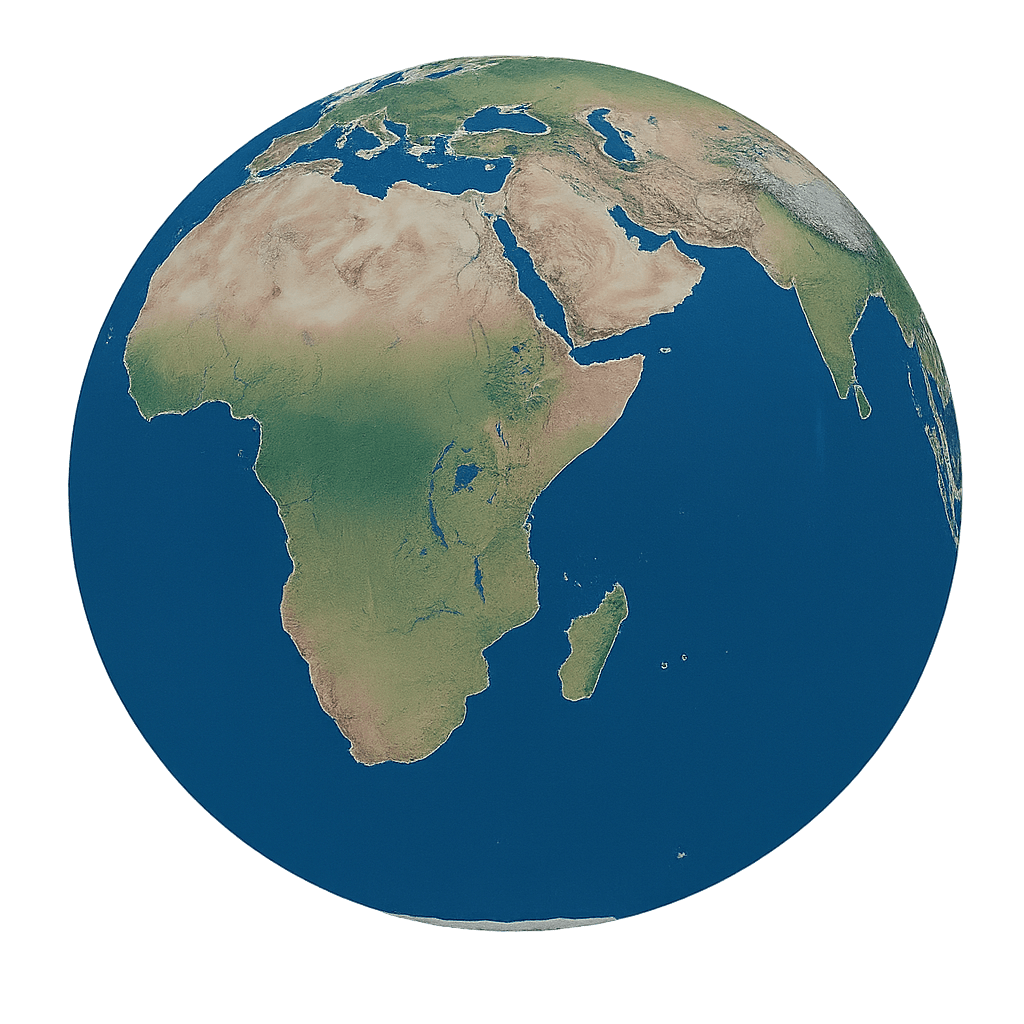
Climate Diplomacy: Arab states, including Comoros, pushed back hard on fossil-fuel phaseout language in COP30 negotiations, arguing it’s tied to energy security and keeping mitigation and finance commitments more voluntary. Health Cooperation: Zanzibar and Comoros pledged experience-sharing to strengthen malaria prevention and treatment, citing similar conditions and frequent cross-island movement. Regional Industry Push: The 46th SADC summit in Durban spotlights a drive for resilient, inclusive industrialisation via infrastructure, agriculture, and critical minerals—aiming to cut barriers and build a stronger regional market. Earth Science: A new Science study links East African and Indian Ocean volcanoes to deeper mantle sources by combining earthquake imaging with chemical analysis of volcanic rocks. Maritime Security: Saudi-led naval efforts to counter Houthi attacks include Comoros among 14 countries, targeting safer shipping through the Red Sea and Bab el-Mandeb. Tech & Finance: MEXC launched 0-fee stock and ETF futures and listed Unitree pre-IPO futures, with sharp early volume spikes—showing growing crypto interest in pre-listing expectations.
AGP Executive Report
Your go-to archive of top headlines, summarized for quick and easy reading.
Note: AI summary from news headlines; neutral sources weighted more to help reduce bias in the result. Feedback is welcome. Please let us know if you have any comments or suggestions about the AGP Executive Report.
SADC Summit Watch: South Africa is set to host the 46th SADC Heads of State summit in Durban on 16–17 August, with leaders pushing a regional plan for resilient, sustainable, inclusive industrialisation—through infrastructure, agriculture, and critical minerals transformation—while aiming to cut trade barriers and build a stronger regional market that includes Comoros. Health Cooperation: Zanzibar and Comoros pledged experience-sharing to strengthen malaria prevention and treatment, citing similar conditions and heavy movement between the islands. Earth Science: A new Science study links East African and Indian Ocean volcanoes to deep Earth signals by combining earthquake seismic imaging with chemical analysis of volcanic rocks. Maritime Security: Saudi Arabia’s 14-country naval coalition held its first planners’ meeting to protect shipping in the Red Sea and Gulf of Aden, as attacks disrupt commercial routes. Comoros Tech & Finance: MEXC, based in Mutsamudu, reported big jumps in pre-IPO futures trading volumes for UNITREEUSDT and launched 31 new 0-fee stock/ETF futures, while also publishing a report on traditional finance users shifting activity to crypto exchanges.
Earth Science: A new Science study links East Africa and central Indian Ocean volcanoes to deep Earth signals near the core–mantle boundary, combining earthquake imaging with chemical fingerprints from volcanic rocks to map where magma sources may originate. Regional Tech & Industry Policy: As the 46th SADC summit opens in Durban, leaders are pushing a regional “industrial revolution” agenda—cutting internal trade barriers and accelerating infrastructure, agriculture, and critical minerals transformation—with Comoros among the 16 member states. Health (Malaria): Zanzibar and Comoros pledge experience-sharing to strengthen malaria prevention and treatment, including community education plus better diagnosis and care, citing shared geography and frequent movement between the islands. Maritime Security: Saudi Arabia’s new 14-country naval coalition against Houthi attacks includes Comoros, aiming to restore safer commercial shipping through the Red Sea and Bab el-Mandeb. Digital Finance (Comoros-based exchange news): MEXC, operating with a Comoros license, rolled out 31 new 0-fee Stock and ETF futures and reported sharp jumps in pre-IPO futures trading volumes.
Procurement & Supply Chain: CIPS has named Kenya its East Africa base, launching a Nairobi office to professionalize procurement across 13 countries and align public-sector standards. Health Cooperation: Zanzibar and Comoros pledged experience-sharing to strengthen malaria prevention and treatment, citing similar conditions and high cross-island movement. Regional Industry Agenda: South Africa’s upcoming SADC summit in Durban spotlights “resilient, sustainable and inclusive industrialisation,” with infrastructure, agriculture, and critical minerals transformation on the agenda. Maritime Security: Saudi-led naval efforts to counter Houthi attacks include Comoros among 14 participating countries, aiming to restore safer Red Sea shipping. Digital Markets (Comoros-linked): MEXC’s Comoros-based releases highlight fast-growing crypto futures activity and new 0-fee stock/ETF futures, alongside a report showing 74.2% of traditional finance users shifting trading to crypto exchanges. Maritime Safety Watch: A US action disabled a container ship’s steering gear in the Gulf of Oman after blockade violations, underscoring ongoing risks in the region.

Procurement & Supply Chain: CIPS has named Kenya its East Africa base, launching a Nairobi office to coordinate procurement professionalisation across 13 countries, with plans to embed global standards in public procurement. Health & Research: A new analysis highlights the rising ovarian cancer burden in Africa (2009–2023) and projects future trends, underscoring gaps in early detection and care capacity. Regional Trade & Governance: SADC is pushing a Simplified Trade Regime to cut border friction and trade costs for small-scale traders, including easier customs steps and relaxed origin paperwork. Maritime Security: Saudi Arabia’s new 14-country naval task force (including Comoros) targets Red Sea shipping threats linked to the Houthis, aiming to restore safer navigation. Comoros in the Spotlight: A “ghost” Comoros-flagged ship case is flagged as a wake-up call for maritime monitoring and security preparedness in the region. Crypto & Markets (Comoros-linked): MEXC, based in Mutsamudu, Comoros, rolled out 0-fee stock/ETF futures and reported a surge in pre-IPO futures trading volume.
Income & Wellbeing: A Remitly study using Purdue University research on “income satiation” finds a “price of happiness” for 32 African countries, with Egypt ($59,675), Tunisia ($52,424) and Algeria ($48,248) leading; Comoros lands at $25,772, showing a steep drop after the top three. Regional Trade Tech: SADC is pushing its Simplified Trade Regime to cut border delays and trade costs for small-scale traders, easing customs steps and origin paperwork; a Lusaka forum (Aug 4–5) highlighted capacity gaps at border posts. Maritime Security (Red Sea): Saudi Arabia’s new 14-country naval task force aims to protect shipping through the Red Sea and Bab el-Mandeb, with Comoros listed among participants as Houthi attacks reportedly reduce traffic by about 20%. Maritime Security (Gulf of Oman): US forces disabled a container ship’s steering gear after warnings, while a missile strike reportedly caused a fire on the Panama-flagged Vela Nova; the crew was accounted for. Health Research (Ovarian Cancer): A new analysis reviews ovarian cancer’s rising burden in Africa (2009–2023) and projects future trends, pointing to gaps in early detection and care capacity. Comoros in the News: Comoros is named in both the SADC trade push and the Red Sea coalition, underscoring how regional policy and security moves can directly affect the islands.
Income & Wellbeing: A Remitly study using Purdue University research on “income satiation” finds Africa’s “price of happiness” peaks in Egypt ($59,675), Tunisia ($52,424) and Algeria ($48,248), then drops sharply—Comoros ranks 6th at $25,772, showing how cost of living shapes what extra income can actually buy. Regional Trade Facilitation: SADC is pushing a Simplified Trade Regime to cut border delays and trade costs for small-scale traders, easing customs steps and origin paperwork; a Lusaka policy forum (Aug 4–5) flagged capacity gaps at border posts and trader-facing hurdles. Maritime Security for the Region: Saudi Arabia’s new 14-country naval task force to counter Houthi attacks includes Comoros and aims to protect Red Sea shipping via Bab al-Mandab and the Gulf of Aden. Comoros-linked Shipping Warning: A “ghost” Comoros-flagged vessel (IB Atlantic IV) reportedly vanished from AIS tracking and was later arrested by the Ivory Coast Navy—an alarm bell for maritime monitoring and territorial protection. Crypto Market Access (Comoros-based release): MEXC, via a Comoros-hosted release, says it launched 31 new 0-fee Stock and ETF Futures and reported a surge in pre-IPO futures trading volume for UNITREE.
Disaster Response Tech & Logistics: India’s armed forces are increasingly acting as a global “first responder,” with recent missions including Operation Amistad in Venezuela—airlifting a medical field hospital via C-17s and deploying advanced care capabilities after twin earthquakes. Regional Development & Industry: South Africa’s SADC chairship is set to push “resilient, sustainable and inclusive industrialisation,” linking infrastructure, agriculture, and critical minerals transformation to regional integration and climate resilience. Maritime Security for Trade: Saudi Arabia-led efforts to counter Houthi attacks are moving forward with a 14-country naval task force aimed at restoring safer commercial shipping through the Red Sea and Bab el-Mandab. Comoros in the Maritime Mix: The coalition against Houthi disruption explicitly includes Comoros, placing the islands in a wider regional security-and-trade effort. SADC Border Trade Simplification: SADC is also working to cut trade costs for small traders through a Simplified Trade Regime—easing customs steps and origin paperwork to reduce non-tariff barriers. Crypto & Finance Signals from Comoros: MEXC interim data from Mutsamudu highlights explosive interest in pre-IPO futures (UNITREEUSDT up to +1,104% day-on-day) and the launch of 0-fee stock/ETF futures, reflecting fast-growing crypto trading activity tied to global markets.
SADC Chairship Push: South Africa will host the 46th SADC summit in Durban on Aug 17, kicking off its chair tenure with a focus on resilient, inclusive industrialisation—through infrastructure, agriculture and critical minerals—while Comoros is listed among the 16 member states. Regional Trade Simplification: SADC partners, including Comoros, are moving to cut border trade costs for small traders via the Simplified Trade Regime, with a Lusaka policy forum (Aug 4–5) tackling practical bottlenecks at border posts. Red Sea Shipping Security: Saudi-led naval efforts to counter Houthi disruption now include 14 countries with Comoros among them, aiming to protect navigation through Bab el-Mandeb and the Gulf of Aden. Maritime Safety Flash: A US strike disabled a container ship’s steering gear in the Gulf of Oman after warnings over a blockade violation; the Panama-flagged Vela Nova later suffered a fire and the crew was accounted for. Digital Finance in Comoros: MEXC, based in Mutsamudu, announced 31 new 0-fee stock and ETF futures and reported a surge in trading for UNITREE pre-IPO futures, while another MEXC report says 74.2% of traditional finance users have shifted some trading to crypto exchanges. Health Research Watch: A new analysis highlights rising ovarian cancer burden across Africa (2009–2023) and projects future patterns, underscoring gaps in screening and care capacity.
SADC Chairship & Regional Tech-Ready Growth: South Africa is set to host the 46th SADC summit in Durban on Aug 17, kicking off its chair tenure with a push for resilient, sustainable, and inclusive industrialisation—an agenda that matters for Comoros as the bloc backs regional integration and infrastructure-led transformation. Red Sea Shipping Security: Saudi Arabia’s 14-country naval coalition (including Comoros) is moving to counter Houthi disruption around Bab al-Mandeb, aiming to restore safer commercial routes—while analysts warn that deterrence and intelligence sharing will decide how fast trade rebounds. Maritime Incident Watch: The US says it disabled a container ship’s steering gear in the Gulf of Oman after blockade violations, underscoring how fast security actions can escalate at sea. Crypto Market Access from Comoros: MEXC, based in Comoros, launched 31 new 0-fee Stock and ETF Futures and reported a surge in pre-IPO futures trading tied to Unitree’s embodied-intelligence robots. Health Research Signal: A new Africa-focused ovarian cancer burden analysis highlights rising risk and gaps in screening and care capacity—relevant for tech-enabled diagnostics and health systems planning.
Maritime Security: Saudi Arabia’s 14-nation Multinational Maritime Defense Alliance held its first planners’ meeting to restore safer commercial shipping through the Red Sea and Bab al-Mandab, with intelligence sharing and regional naval capability flagged as key to getting vessels back on track. Local Tech & Trade: Comoros is listed among SADC members pushing a Simplified Trade Regime to cut border red tape and trade costs for small-scale traders, including easier customs steps and relaxed origin paperwork. Digital Finance: MEXC (based in Mutsamudu) rolled out 31 new 0-fee Stock and ETF Futures and reported a surge in Asian AI pre-IPO futures trading, as users chase early market moves. Crypto Adoption: MEXC also says 74.2% of traditional finance users have shifted some or all trading activity to crypto exchanges. Maritime Risk Watch: A US strike disabled a container ship’s steering gear in the Gulf of Oman after warnings were ignored, underscoring how fast security incidents can escalate. Border Mobility: Spain and Italy’s dispute over checks tied to migration flows is slowing travel and raising fresh questions about passport-free movement in Europe. Health Research: A new analysis highlights rising ovarian cancer burden in Africa and the need for stronger early diagnosis and care capacity.
Maritime Leadership in Comoros Tech Orbit: Regent Seven Seas Cruises named Capt. Luksa Kristovic to lead the new Seven Seas Prestige, with senior officers including Chief Engineer Germain Bouvet, Staff Capt. Alexander Tiniakov, GM Stéphane Carriou, Food & Beverage Director Alin Aricescu, Senior Executive Chef Michael Meyepa, and Cruise Director Dru Pavlov, bringing 150+ years of maritime and hospitality experience to guide a 630-crew ship entering service by year-end. Regional Security & Shipping Tech: Saudi Arabia announced a 14-country naval task force to counter Houthi attacks and protect Red Sea routes, with Comoros among the signatories—aimed at reducing disruption that has already cut traffic through the Bab el-Mandeb by about 20%. Trade Facilitation for Comoros: SADC is pushing a Simplified Trade Regime to cut border costs and ease small-scale cross-border trade, including relaxed certificate-of-origin rules and fewer non-tariff barriers, with Comoros listed among member states. Digital Finance Spillover: MEXC, headquartered in Mutsamudu, rolled out 31 new 0-fee Stock and ETF Futures and reported a sharp surge in pre-IPO futures trading volume for Unitree.
Maritime Leadership in Comoros’ Orbit: Regent Seven Seas Cruises named Captain Luksa Kristovic and a seven-officer senior team to lead the new Seven Seas Prestige, with the ship entering service by year-end and its maiden cruise set for Dec 13—an ultra-luxury hospitality push that will manage a 630-crew operation. Crypto Markets, With Comoros in the Mix: MEXC, which lists under a Comoros license, rolled out 31 new 0-fee Stock and ETF Futures (Aug 3–7) and reported a surge in Asian AI pre-IPO futures trading, including UNITREEUSDT up to +1,104% day-on-day. Regional Security & Shipping Risks: Saudi Arabia announced a 14-country naval task force to counter Houthi attacks affecting Red Sea shipping, with Comoros among the signatories—while separate reports describe missile strikes and escalating maritime instability across key routes. Health Research Spotlight: A new analysis highlights rising ovarian cancer burden in Africa (2009–2023), pointing to gaps in early detection and care capacity. Trade Facilitation in the Region: SADC moved to simplify border procedures for small-scale traders, including Comoros, aiming to cut costs and reduce non-tariff barriers.
Maritime Security: The US Central Command says it disabled the steering gear of the Panama-flagged container ship Vela Nova in the Gulf of Oman after warnings were ignored, with a helicopter firing Hellfire missiles; the ship later suffered a fire and all 17 crew were accounted for. Crypto & Finance: MEXC released a report finding 74.2% of people with traditional finance backgrounds have shifted some or all trading to crypto exchanges, and 83.3% plan to increase activity there. Border Tech & Mobility: Spain kept airport and maritime checks on flights and routes from Italy until Sept 7 after Italy suspended Schengen free movement over migrant flows into Ceuta—an issue that also hits African applicants facing high visa rejection rates. Regional Trade Facilitation: SADC partners, including Comoros, are pushing a Simplified Trade Regime to cut border costs for small traders by easing customs steps and origin paperwork. Maritime Coalition: Saudi Arabia unveiled a defensive maritime coalition for the Red Sea/Bab al-Mandeb/Gulf of Aden; Comoros is among the signatories, raising new questions about Gulf security and India’s role. Academic Freedom: ACAF’s 2025 monitoring report flags 341 incidents across 28 African countries, with a 72% violation rate and calls for urgent AU and international action.
Crypto Finance Shift: MEXC says 74.2% of users coming from traditional finance have moved some or all trading to crypto exchanges, and 83.3% plan to grow that activity further, with the survey covering 6,185 responses across 13 languages. MEXC 0808 Launch: MEXC also unveiled “MEXC 0808: Stock Season,” an annual brand event built around 0-fee trading, with early registration open and a $500,000 prize pool for the August 8 campaign. Border Friction in Europe: Spain kept airport and maritime checks on flights and routes from Italy until Sept. 7 after Italy suspended Schengen free movement over migrant flows into Ceuta. SADC Trade Simplification: Eswatini and 15 partners are pushing easier cross-border trade under the SADC Simplified Trade Regime, aiming to cut costs for small traders and reduce border and origin paperwork. Maritime Security for the Region: A Saudi-led defensive maritime coalition signed by Comoros is set to protect Red Sea and Bab al-Mandeb routes as Houthi strikes extend risk into Saudi waters. Academic Freedom Pressure: ACAF’s 2025 report flags 341 incidents across 28 African countries, with a 72% violation rate and calls for urgent action to protect university autonomy.
Maritime Security: A Comoros-flagged “ghost ship” (IB Atlantic IV) was tracked after AIS went dark, then intercepted by the Ivory Coast Navy—raising alarms about how well regional states can monitor and defend their waters. Regional Trade Facilitation: SADC is pushing the Simplified Trade Regime to cut border red tape and costs for small traders, with Comoros listed among member states and a Lusaka policy forum focused on capacity gaps at border posts. Horn of Africa Geopolitics: The region’s alliances are shifting fast as Ethiopia faces renewed internal clashes and reports of Eritrean cross-border activity, keeping the diplomatic off-ramp in play but fragile. Red Sea Shipping Risk: The Houthis’ reach is expanding beyond earlier assumptions, with strikes reported near Yanbu and renewed concerns that “route avoidance” is no longer enough for Saudi-linked shipping. Academic Freedom Watch: ACAF’s 2025 report flags 341 incidents across 28 countries and a 72% violation rate, pointing to state repression and university autonomy breakdowns. Visa Policy: The US made a permanent visa bond programme for citizens of 30 African countries, effective 3 August 2026. Tech & Finance (Crypto Trading): MEXC launched “MEXC 0808: Stock Season” with a $500,000 prize pool and renewed focus on 0-fee trading.
FIFA Politics in Africa: Gianni Infantino leans on CAF’s 54 votes as UEFA pushes for his exit, with fresh claims over a past severance deal adding pressure while he courts Morocco ahead of the 2030 World Cup. Maritime Security Shock: A “ghost” Comoros-flagged mini bulk carrier, IB Atlantic IV, went dark on AIS and later was arrested by the Ivory Coast Navy—an alarm bell for regional sea monitoring and preparedness. Trade Facilitation for Small Traders: SADC is moving to simplify border procedures under its Simplified Trade Regime, aiming to cut costs and ease rules of origin, with Comoros among member states. Russia Courts Tech, Energy, Security Ties: Moscow signals long-term partnership in Africa’s energy, industrial development, education and healthcare, framing it as “technological sovereignty” rather than conditional aid. Red Sea Shipping Escalation: New strikes and diversions show route avoidance is no longer enough as a Saudi-led maritime coalition forms and the Houthis extend targeting. Academic Freedom Watch: ACAF’s 2025 report flags widespread university repression and eroding autonomy across Africa, with Comoros readers likely to track how campus governance affects STEM futures. Crypto Trading Event in Comoros: MEXC launches “MEXC 0808: Stock Season” with a $500,000 prize pool, spotlighting 0-fee trading and stock growth on crypto exchange infrastructure.
SADC Trade Simplification: Eswatini and 15 partners, including Comoros, are pushing the SADC Simplified Trade Regime to make border trade easier for small-scale traders by cutting trade costs, simplifying customs steps, and easing certificate-of-origin rules. The plan was discussed at a Lusaka policy forum (Aug 4–5) with border agencies, parliamentarians, and traders focused on practical bottlenecks at border posts. Russia-Africa Tech & Energy Pitch: Russia is seeking a bigger role in Africa’s energy, security, and development, framing itself as a long-term partner for investment, infrastructure, and technology while calling for “economic and technological sovereignty.” Red Sea Shipping Risk Escalates: Maritime reporting says Houthi attacks are extending beyond the usual chokepoint area, with incidents tied to rerouting and a wider “critical” risk picture across key sea lanes. Academic Freedom Under Pressure: ACAF’s 2025 monitoring report flags 341 incidents across 28 African countries, with a 72% violation rate, citing state repression and governance failures affecting universities. Comoros in a Regional Security Pact: Comoros is listed among signatories to Saudi Arabia’s new defensive maritime coalition aimed at protecting Red Sea and Gulf of Aden routes.
Income Shifts: A new World Bank-based map shows how countries’ income tiers changed from 1995 to 2025, with many Asian and Eastern European economies climbing into higher-income groups and Guyana moving from low-income to high-income on the back of its offshore oil boom. Academic Freedom Under Pressure: ACAF’s 2025 monitoring report flags 341 incidents across 28 African countries, with a 72% violation rate and repeated problems like state repression, university autonomy failures, and governance crises. Academic Freedom Rankings: Another global map using V-Dem’s 2025 index ranks Czechia top for academic freedom, while Myanmar and Nicaragua sit at the bottom, and notes declines in university autonomy in many countries since 2015. Red Sea Shipping Risk: Maritime reporting says Houthi attacks are reaching deeper into Saudi waters, while Chinese-linked vessels reportedly keep transiting Bab el-Mandeb without incident—pushing more shipping to reroute. Comoros in the Mix: Saudi’s new Red Sea maritime coalition includes Comoros among signatories, raising the stakes for regional security cooperation. Visa Rules Affect Travel: The US made a permanent visa bond programme for citizens of 30 African countries, effective 3 August 2026, requiring up to $15,000 before B-1/B-2 visitor visas. Local Tech & Crypto: MEXC launched MEXC 0808: Stock Season with a $500,000 prize pool and a “0-fee” push aimed at expanding crypto stock trading access.
Horn of Africa Security: Fresh clashes in Ethiopia’s northwestern Tigray and reports of Eritrean forces crossing into Ethiopian territory are raising fears that fragile ceasefire gains could unravel, with instability spilling across borders. Red Sea Shipping Risk: The Houthis’ attacks are reaching deeper than “route avoidance” can fix, including a strike on a Saudi-flagged tanker off Yanbu, while risk remains “critical” across Hormuz, the Red Sea, and Gulf of Aden. Maritime Coalition (Comoros in the mix): Saudi Arabia’s new defensive maritime coalition has signed up 14 countries including Comoros, aiming to secure Bab al-Mandeb and nearby routes—an India-absence is already reshaping regional security questions. Academic Freedom Watch: ACAF’s 2025 report flags 341 incidents across 28 African countries, with a 72% violation rate and calls for urgent AU and international action. Visa Policy Impact: The U.S. made permanent a visa bond programme for citizens of 30 African countries, effective 3 August 2026, based on overstay data. Comoros Tech/Finance: MEXC launched “MEXC 0808: Stock Season” with a $500,000 prize pool and a 0-fee trading push that’s expanding beyond forex into broader crypto-linked markets. Data Roundup (Global): New maps show income tiers shifting worldwide and academic freedom rankings—useful context for development and education policy debates.
Sign up for:
Comoros Technology Digest
The daily local news briefing you can trust. Every day. Subscribe now.
Check Your Email!
We sent a one-time activation link to: .
Confirm it's you by clicking the email link.
If the email is not in your inbox, check spam or try again.
Welcome back!
is already signed up. Check your inbox for updates.